Follow the activity
Record where ants enter, what attracts them and whether the pattern repeats. Indoor activity does not by itself tell you which species or nest location is involved.
Reduce available food
Keep containers closed, clean accessible spills and manage bins. Photograph entry locations before making changes so you can explain the pattern if professional advice is needed.
Avoid an automatic spray response
Ask for species identification if the problem persists. Different ants can need different approaches, and treating a visible trail may not address the source.
Related pest guides
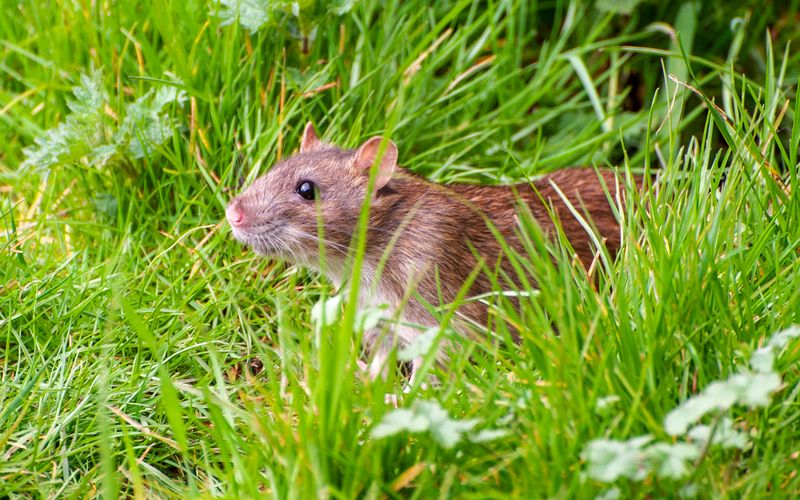
Rats & Mice
Recognise rodent signs and understand inspection, treatment and proofing.
Read guide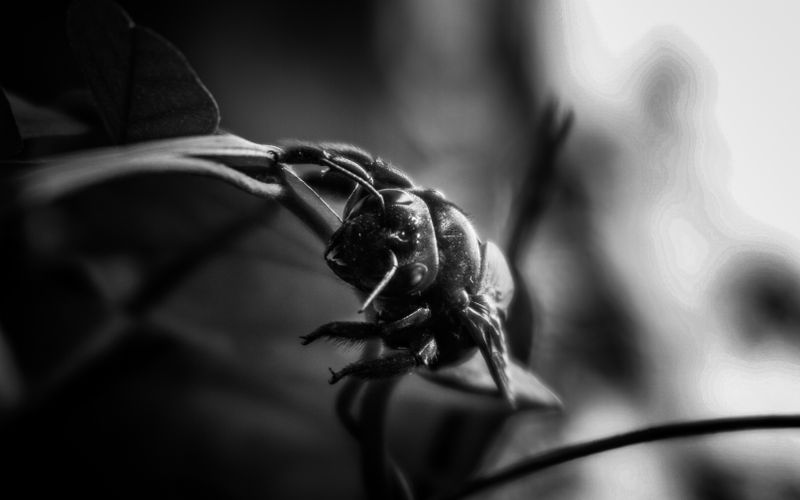
Bed Bugs
Check bedding and furniture signs, preparation and follow-up questions.
Read guide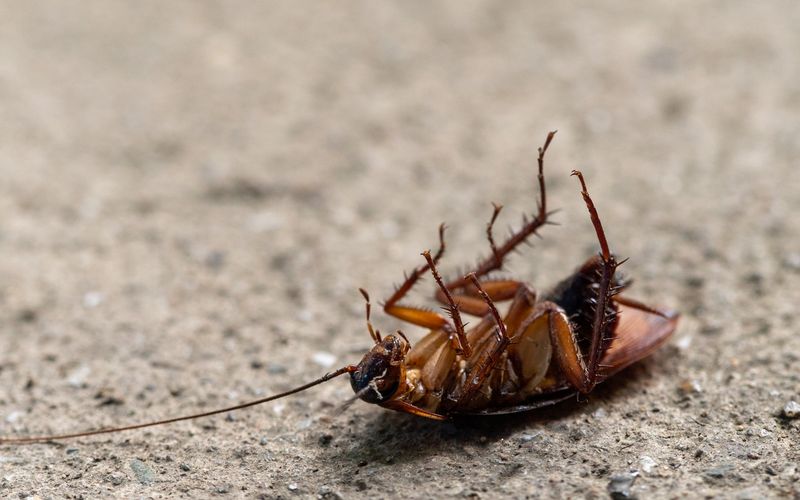
Cockroaches
Identify kitchen activity and understand monitoring and prevention.
Read guide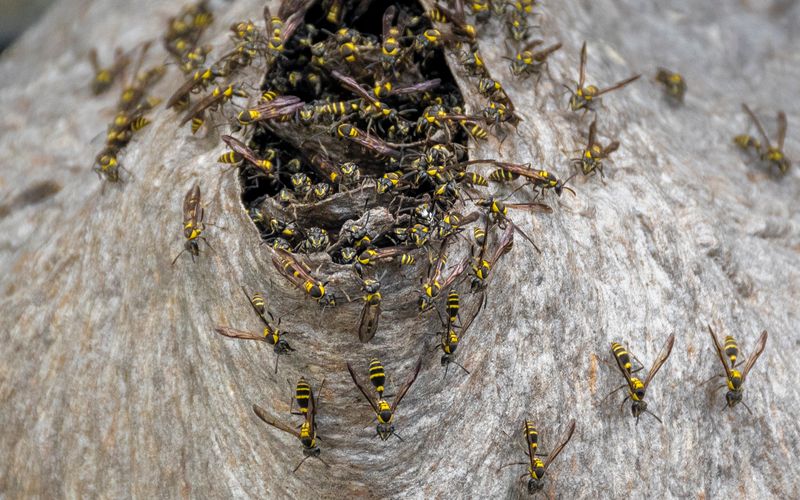
Wasps
Assess a suspected nest safely and prepare for professional identification.
Read guideFurther information
- NHS: bedbugs and bites
- Government: renting a safe home
- British Pest Control Association: pest advice
- Find your local council
- Safer food, better business for caterers (FSA)
- HSE: rodenticides
Published by Pest Protect London. Updated 9 September 2026. General information; treatment decisions require an assessment of the property. Editorial policy.