Pest Protect Logo

London's Trusted Exterminators

SCANNING...

Pest Protect Logo
BlogAdvice
Advice8 July 20258 min read

Seasonal Pest Guide: What to Expect in London Throughout the Year

Pest activity in London follows clear seasonal patterns. Understanding what to expect each month helps you stay protected year-round.

London's climate — mild winters, warm summers and the particular conditions created by the urban heat island effect — means pest activity continues year-round. However, different pests reach peak activity at different times of year. Understanding these seasonal patterns allows homeowners and businesses to implement preventative measures at the right time.

Spring (March, April, May)

Spring sees the resumption of insect activity as temperatures rise. Ant colonies become active, and foragers begin entering homes and commercial premises in search of food and moisture. The first wasp queens emerge from winter hibernation in March and April, searching for new nest sites.

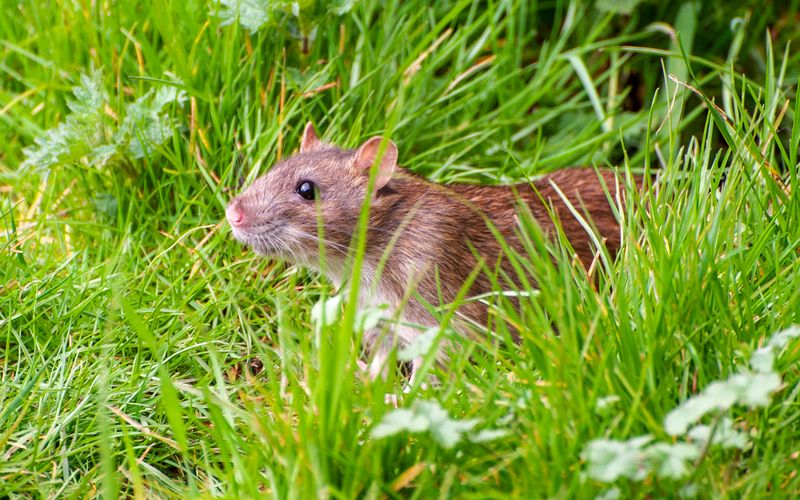
Rat and mouse populations that survived winter begin to breed prolifically from March onwards. Young rats dispersing from established colonies enter buildings in search of new territories.

This is an excellent time to inspect and seal rodent entry points before populations peak, and to apply ant prevention treatments before infestations are established.

Summer (June, July, August)

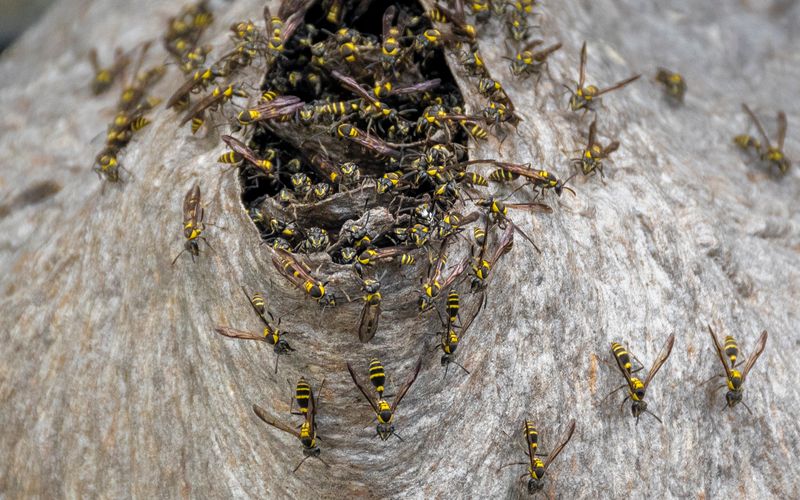
Summer is peak wasp season. Nests grow rapidly from June and reach their maximum size in August, when colonies become most aggressive. Wasp call-outs typically peak in August and September.

Fleas reach their highest population levels in summer due to the accelerated development of all life stages in warm conditions. Households with pets are most vulnerable.

Bed bug cases increase throughout summer as international travel peaks. Returning from holiday is a high-risk period for bed bug introduction.

Autumn (September, October, November)

September and October see significant numbers of large house spiders entering properties to find a mate and overwinter. This is also when squirrels begin to move into loft spaces for the winter.

Rodent pressure increases substantially in autumn as urban rat populations seek indoor warmth ahead of falling temperatures. October and November are the peak months for rodent call-outs.

Wasp nests die off naturally in October as the queen ceases laying and the colony collapses. However, September remains a high-risk month for wasp stings.

Winter (December, January, February)

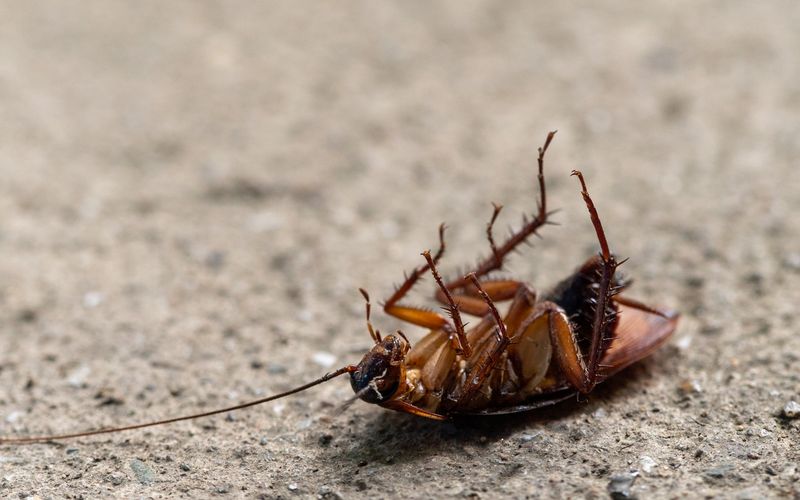
Rodent activity indoors is at its highest during winter. Cockroach infestations become more apparent as insects cluster near heating systems and become more visible. Silverfish, which prefer cool and damp conditions, remain active year-round.

Moth larvae continue to feed throughout winter in centrally-heated properties, causing damage to clothing, carpets and stored textiles.

Year-Round Monitoring

For residential properties, a quarterly check of key risk areas — loft insulation, kitchen voids, basement areas — helps catch problems early. For commercial premises, a formal scheduled monitoring programme is a regulatory requirement in many sectors.

Contact Pest Protect on 0208 945 7231 to discuss a monitoring and prevention plan tailored to your property.

Need professional pest control in London?

Pest Protect has 27 years of experience treating all types of pest infestation across London. Same-day emergency response, licensed technicians, written guarantees.

Got a pest problem?

Same-day visits available across all London boroughs. Free assessment, no call-out fee.

0208 945 7231Free Quote

Our Location

Pest Protect
28 Leman Street
London
E1 8ER

Serving all 33 London boroughs

Professional pest control across all London boroughs

Same-day visits, licensed technicians, written guarantees. Call now for a free assessment.

Call Now: 0208 945 7231