London is home to approximately 9 million people, and with that density comes one of the most complex urban pest control environments in the world. Victorian terraces, Georgian townhouses, modern high-rises and sprawling industrial estates all present different challenges. Understanding which pests are prevalent in your area and property type is the first step to effective control.
The Pest Control Landscape in London
London's diverse architecture creates ideal conditions for pests. Victorian and Edwardian properties have extensive cavity walls, timber floors and inadequate damp courses — perfect harborage for rodents, cockroaches and silverfish. Modern developments in areas like Canary Wharf or Nine Elms bring their own challenges, as construction disturbs existing rat populations and new builds' insulation systems can attract pests seeking warmth.
The Most Common London Pests by Area
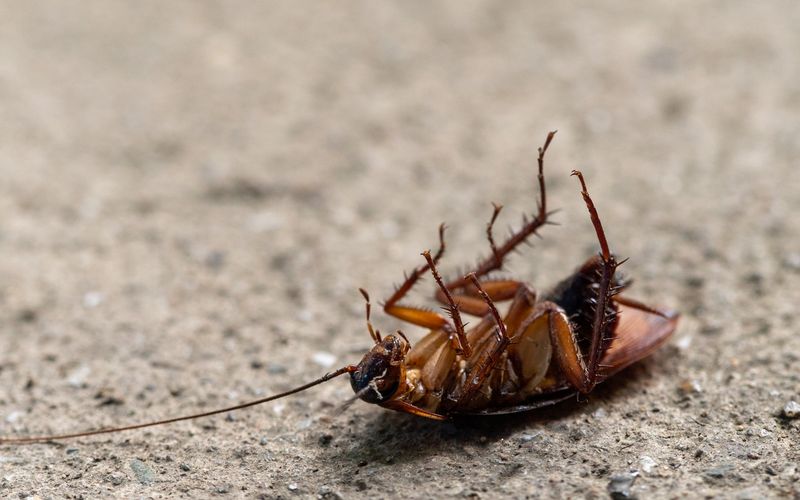
*Central London (Westminster, City of London, Southwark)* — The density of food businesses, hotels and tourists creates ideal conditions for cockroaches and bed bugs. Rodent populations are high throughout central areas.
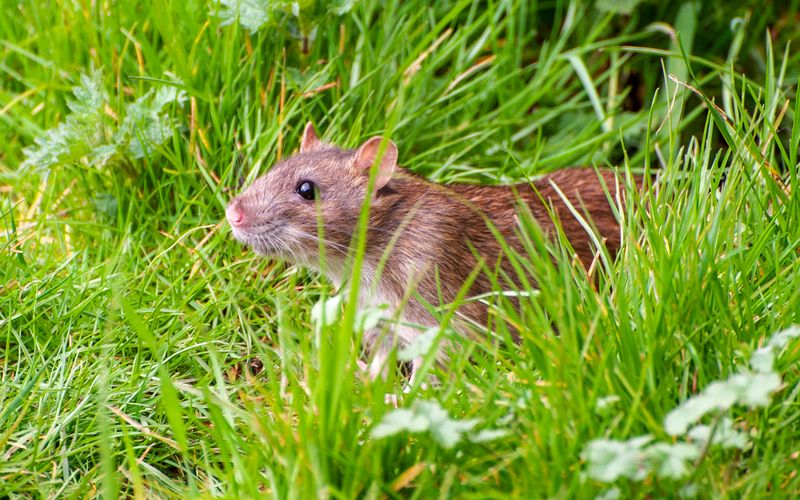
*East London (Tower Hamlets, Hackney, Newham)* — Areas with older housing stock and food markets have historically high rodent activity. The rapid development of Stratford and Shoreditch has disturbed established rat colonies.
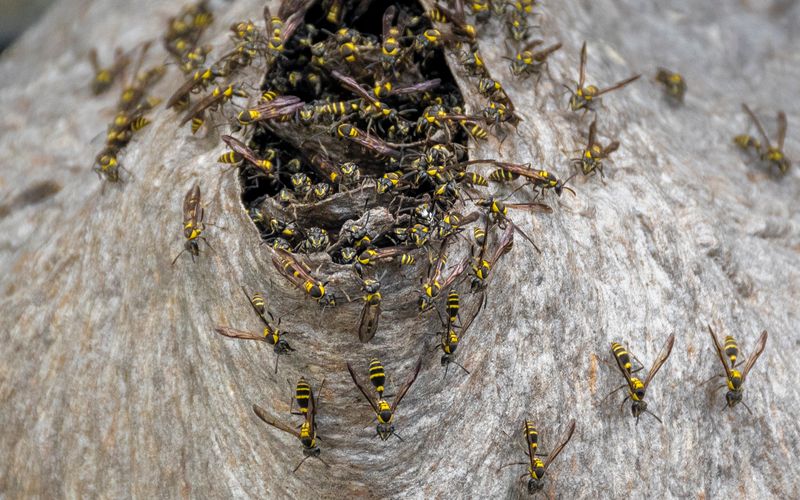
*North London (Camden, Islington, Haringey)* — Seasonal wasp nest activity is significant. Urban foxes and squirrels are common in residential areas near green spaces.
*South London (Southwark, Lambeth, Lewisham)* — Victorian housing with complex layouts can harbour cockroach and bed bug infestations that are difficult to treat. Pigeon problems are common on flat-roofed commercial buildings.
*West London (Kensington & Chelsea, Ealing, Hounslow)* — Moth damage to expensive carpets and clothing is a particular concern in wealthier residential areas. Properties near the Thames can be susceptible to rodents.
Seasonal Pest Activity in London
Pest activity follows predictable seasonal patterns: - Spring (March–May): Ants emerge, wasp queens start new nests, rats increase activity as populations recover from winter - Summer (June–August): Wasp nests reach full size, flea populations peak with warm weather, bed bug cases increase with holiday travel - Autumn (September–November): Rodents seek indoor warmth, large house spiders enter homes, squirrels move into loft spaces - Winter (December–February): Rodent activity peaks indoors, cockroach infestations become more apparent as insects seek warmth
Choosing a Pest Control Company in London
When selecting a pest control contractor, ensure they are: - Members of the British Pest Control Association (BPCA) or National Pest Technicians Association (NPTA) - Fully insured (public liability minimum £5 million) - Using licensed products and employing trained, certificated technicians - Offering written guarantees backed by follow-up visits
Pest Protect has served London for 27 years. We are fully licensed, insured and offer same-day emergency response across all London boroughs. Call us on 0208 945 7231 for a free assessment.
Need professional pest control in London?
Pest Protect has 27 years of experience treating all types of pest infestation across London. Same-day emergency response, licensed technicians, written guarantees.
Got a pest problem?
Same-day visits available across all London boroughs. Free assessment, no call-out fee.
0208 945 7231Free QuoteMore Guides
Our Location
Pest Protect
28 Leman Street
London
E1 8ER
Serving all 33 London boroughs