Pest-control companies: this website is for sale. View the asset and make an offer →
LondonPEST CONTROL
BlogTreatment
Treatment20 September 20255 min read

Wasp Nest Removal: What You Need to Know

Discovering a wasp nest in your home or garden is alarming. This guide explains when to act, why you should never remove a nest yourself, and what professional treatment involves.

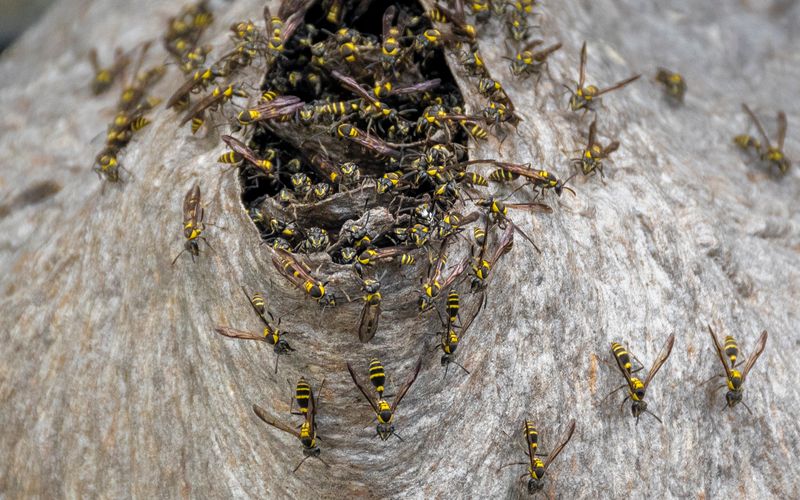
Each year between June and September, thousands of London homeowners discover wasp nests in their lofts, gardens, outbuildings and wall cavities. A mature nest in late summer can contain 5,000–10,000 wasps and poses a serious stinging risk, particularly to children and anyone with a venom allergy.

When Do Wasp Nests Become a Problem? Wasp nests grow throughout spring and summer, reaching their largest size in August and September. Activity near the nest entrance increases as the colony matures. Nests become particularly aggressive if disturbed or if the colony senses a threat.

Why You Should Never Remove a Nest Yourself Attempting to remove a wasp nest without professional training and equipment is dangerous and often counterproductive. Disturbing a nest can trigger a mass defensive response. Even a small nest can produce dozens of simultaneous stings. For anyone with a wasp venom allergy, this can be life-threatening. Shop-bought wasp sprays are also rarely effective at eliminating a full colony.

Where Nests Are Commonly Found - Loft spaces (through gaps in fascia, soffit or eaves) - Garden sheds and outbuildings - Wall cavities accessed through gaps in brickwork - Compost bins and garden furniture - Underground in garden borders (hornets and other species)

Professional treatment considerations A qualified operator should assess the nest location, access and risk before selecting a treatment. Follow the operator's written safety guidance and do not disturb an active nest.

Where the nest is safely accessible after treatment, we will remove it physically to prevent re-use. A deterrent can also be applied to the same location to discourage nesting in future seasons.

After Treatment Wasp activity around the treated entrance may increase temporarily for a few hours as returning wasps contact the insecticide. Do not block the entrance immediately after treatment. Avoid the area for 24 hours.

Can You Leave a Wasp Nest Alone? In some situations — a nest in an inaccessible location that poses no immediate risk — it may be possible to wait until October when the colony naturally dies off. The empty nest will not be re-used. However, any nest near a door, window, children's play area or high-traffic path should be treated promptly. Contact us at the contact page for a professional assessment.

Need professional pest control in London?

London Pest Control contains practical information about all types of pest infestation across London. Response times set by operator, qualified technicians, guarantee terms.

Got a pest problem?

Response times will be confirmed across all London boroughs. Assessment details, operator terms apply.

the contact pageQuote Details

Our Location

London Pest Control
Greater London
London

Serving all 33 London boroughs

Professional pest control across all London boroughs

Operator-confirmed visits, qualified technicians, guarantee terms. View the contact status page for enquiry availability.

Contact details coming soon